9 Reasons Your Skin Is So Oily All the Time

The Science of Shine: Why Your Skin Is Oily (And How to Fix It)
If you have oily skin, you know the midday dread. It’s 1:00 p.m., you glance in the mirror, and there it is—the inevitable, aggressive gleam across your T-zone.
While it can feel like a lifelong battle against adult acne, there is a silver lining. Having oily skin is not necessarily a bad thing, as your natural sebum protects the skin barrier, locks in essential hydration, and can actually help keep your skin looking younger and more resilient as you age.
But when sebum production goes into overdrive, it’s usually driven by a combination of internal triggers and external habits. Ahead, top dermatologists break down the nine primary causes of oily skin—and how to finally balance your complexion.
The Root Causes of Excess Sebum
1. It’s in Your DNA – Oily skin is often related to genetics. Certain people experience greater production of oil from their sebaceous glands in addition to naturally enlarged pores. If your parents dealt with a shiny complexion, your hyperactive oil glands might simply be your baseline.
2. Rising Temperatures and Humidity – It’s not your imagination—summer always brings a heavy spike in shine. Sun exposure can dehydrate the skin, which paradoxically triggers it to produce more oil. Your sabecious glands ramp up sebum production to create a protective shield against trans epidermal water loss. High humidity levels compound the issue, adding a layer of ambient moisture that leaves skin feeling heavy and greasy.
3. Fluctuating Androgen Levels – Hormones don’t settle down just because puberty is over. The greater the level of certain hormones, specifically androgens, the more oil is produced. For women, spikes in oil production and deep cystic breakouts often track with menstrual cycles, pregnancy, or underlying endocrine conditions like Polycystic Ovary Syndrome (PCOS).
4. Chronic, Unmanaged Stress – When you are under stress, your body releases the hormone cortisol. Cortisol triggers a systemic inflammatory response and directly interacts with your skin’s architecture. Cortisol specifically stimulates sebaceous glands to secrete more oil,” turning a stressful week into an immediate breakout cycle.
5. Heavy, Pore-Clogging Products – Take a close look at the ingredient lists of your skincare, makeup, and hair products. Many formulas rely on heavy, occlusive ingredients like petrolatum, mineral oil, and heavy silicones. These ingredients form a suffocating film over the skin, trapping natural sebum underneath, stretching out pores, and causing rapid congestion.
6. Aggressive Over-Exfoliation – When your face feels greasy, the instinct is to scrub it clean. However, over-exfoliating or stripping the skin with harsh acids, alcohol-based astringent toners, and frequent washing backfires completely. This can actually trigger more oil production. Stripping the lipid barrier sends a panic signal to your sebaceous glands to rapidly re-moisturize the skin, resulting in an even oilier complexion. Rule of thumb: If a cleanser leaves your skin feeling “tight” or “squeaky clean,” it is too harsh.
7. Skipping Moisturizer Entirely – Dehydrated skin (skin lacking water) will try to compensate by overproducing lipids (oil). When you skip moisturizer, your skin recognizes the lack of hydration and attempts to protect itself by creating an excess oil barrier. Keeping skin hydrated with the right formulas is essential to signaling your glands to slow down.
8. Dietary Triggers (Sugar, Dairy, and Refined Carbs) – The connection between diet and skin sebum is becoming increasingly clear. In general, dietary associations with acne and oil may be related to an increase in insulin-like growth factor 1 (IGF-1). High-glycemic foods (sugar, white bread) and dairy products spike insulin and IGF-1 levels, which directly stimulates androgen production and turns up oil secretion.
9. Frequent Face Touching – Touching the face can spread dirt, oil, and bacteria from your hands straight to your pores. Every time you rest your chin on your hand or pick at a blemish, you transfer friction, debris, and environmental impurities into an already oil-rich environment.
How to Balance Oily Skin
Combating excess shine isn’t about stripping your skin; it’s about regulating it. Use this streamlined approach to recalibrate your routine:
| Active Ingredient | Primary Function for Oily Skin | Best Implementation |
| Salicylic Acid (BHA) | Oil-soluble; penetrates deep into pores to dissolve sebum blockages. | Use in a gentle nightly cleanser. |
| Retinol / Retinoids | Increases cell turnover, prevents pore clogging, and refines texture. | Apply a pea-sized amount at night (2–3x a week to start). |
| Glycolic Acid (AHA) | Gently exfoliates the surface layer, clearing dead skin that traps oil. | Use in a weekly targeted toner or serum. |
1. Switch to an Oil-Soluble Cleanser – Instead of washing your face multiple times a day, stick to a thorough double-cleanse at night using a gentle, targeted formula. Look for a cleanser containing Salicylic Acid. Because BHAs are lipid-soluble, they can cut through surface oils to clear out the interior lining of the pore.
2. Lock in Weightless Hydration – Always apply a lightweight, fluid, non-comedogenic moisturizer morning and night. Look for oil-free gel creams or formulas specifically engineered to absorb excess shine throughout the day without clogging pores.
3. Alternate Your Active Ingredients – Incorporating cell-communicating ingredients like retinol or glycolic acid to keep cellular turnover efficient is a excellent solution. Because these potent actives can cause initial irritation, never use them in the exact same application window. Start slow—once or twice a week—and gradually build up your skin’s tolerance.
Topicals: Regulating Sebum & Refining Textures
Osmosis Skincare
Osmosis MD Deep Clean Cleanser: This formula utilizes a unique blend of citrus essential oils, coconut, and fruit enzymes (papain and bromelain) to deeply eliminate excess oil and clear pore congestion without relying on harsh chemicals.
Osmosis MD Clarify Retinal Serum: This powerful Vitamin A serum uses a specialized, non-inflammatory retinaldehyde to normalize oil production, clear blemishes, and accelerate skin healing without causing the barrier panic or rebound oil production that aggressive retinoids can trigger.
Osmosis MD Rescue Epidermal Repair Serum: Addresses Over-Exfoliation. If you’ve stripped your lipid barrier in your attempts to try to scrub away the shine, Rescue utilizes ozonized ethyl oleate to soothe inflammation, neutralize surface stress, and heal the skin barrier so the sebaceous glands can calm down.
Environ Skincare
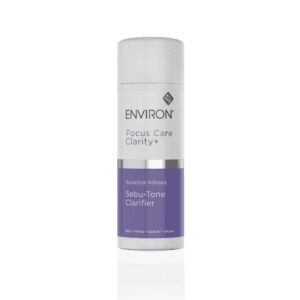
Environ Focus Care Clarity+ Range: This entire medical-grade sub-line is explicitly engineered by Environ to reduce excess sebum secretion and micro-exfoliate congestion.
Environ Botanical Infused Sebu-Spot Blemish Gel: Features niacinamide (Vitamin B3) and targeted sebum regulators. It helps control excessive sebum, reduces the appearance of enlarged pores, and treats localized midday oil-driven breakouts without drying out the surrounding skin texture.
Environ Vita-Antioxidant AVST Gel: As mentioned dehydrated skin will overproduce lipids to compensate for lack of water. This water-based, ultra-light cooling gel provides weightless hydration using low-dose vitamin A (Retinyl Palmitate) and free-radical-scavenging antioxidants (Vitamins C & E). It is specifically recommended for oily or congested skin that needs moisture without heavy, occlusive oils.
2. Supplements: Balancing From the Inside Out
Metagenics
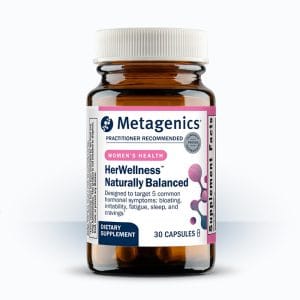
Metagenics HerWellness Naturally Balanced: Addresses Fluctuating Androgen Levels. For women, deep cystic breakouts and oil spikes often track with cyclic hormonal fluctuations. This supplement is expertly designed to offer a natural approach to overall female hormone balance.
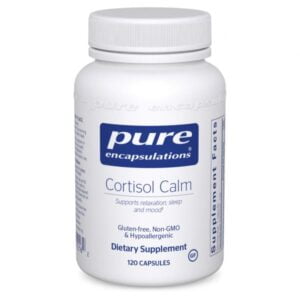
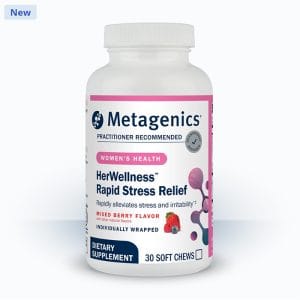
Metagenics HerWellness Rapid Stress Relief or Adrenogen®: Addresses Chronic, Unmanaged Stress. As stated, cortisol turns on a “breakout cycle” by signaling sebaceous glands to churn out oil. Supporting the body’s adrenal pathway and modulating stress helps keep systemic cortisol—and therefore midday shine—in check.
Pure Encapsulations
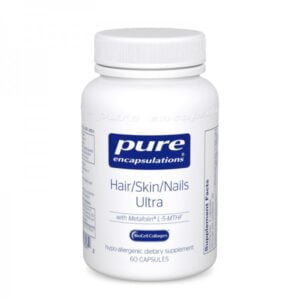
Pure Encapsulations Hair/Skin/Nails Ultra: This formula contains optimal levels of Zinc and Niacinamide. Zinc is a powerhouse mineral for oily skin because it helps moderate immune function in the skin, regulates sebum production, and addresses the blemishes caused by hyperactive oil glands.
Pure Encapsulations Detox Pure Pack: or Liposomal Glutathione: Assists with liver health and internal phase II conjugation pathways, aiding the body in processing and filtering excess circulating hormones (like estrogens and androgens) that are notorious for triggering high sebum levels.







When to See a Professional
If you’ve optimized your skincare routine, adjusted your lifestyle factors, and still find yourself dealing with unmanageable shine or persistent acne, schedule a visit with an esthetician or a board-certified dermatologist. We can evaluate your hormonal health and or prescribe targeted topical or oral therapies to regulate oil production at the cellular level.
What aspects of your current skincare routine or daily habits are you thinking about tweaking first to help manage that midday shine? Let us know in the comments.
Share The Beauty… Earn Rewards!
At PLEIJ Salon+Spa, we offer a simple and easy referral program to our existing clients (and even non-clients). When you refer a friend who is new to PLEIJ, we’ll give them a 20% OFF GIFT to use towards any service. To say thanks, we’ll give you a 10% OFF GIFT to use toward services or products!
Be sure to learn everything about this awesome program and even send out referrals.