Rapamycin & Retinol vs. The Peptide Glow Stack
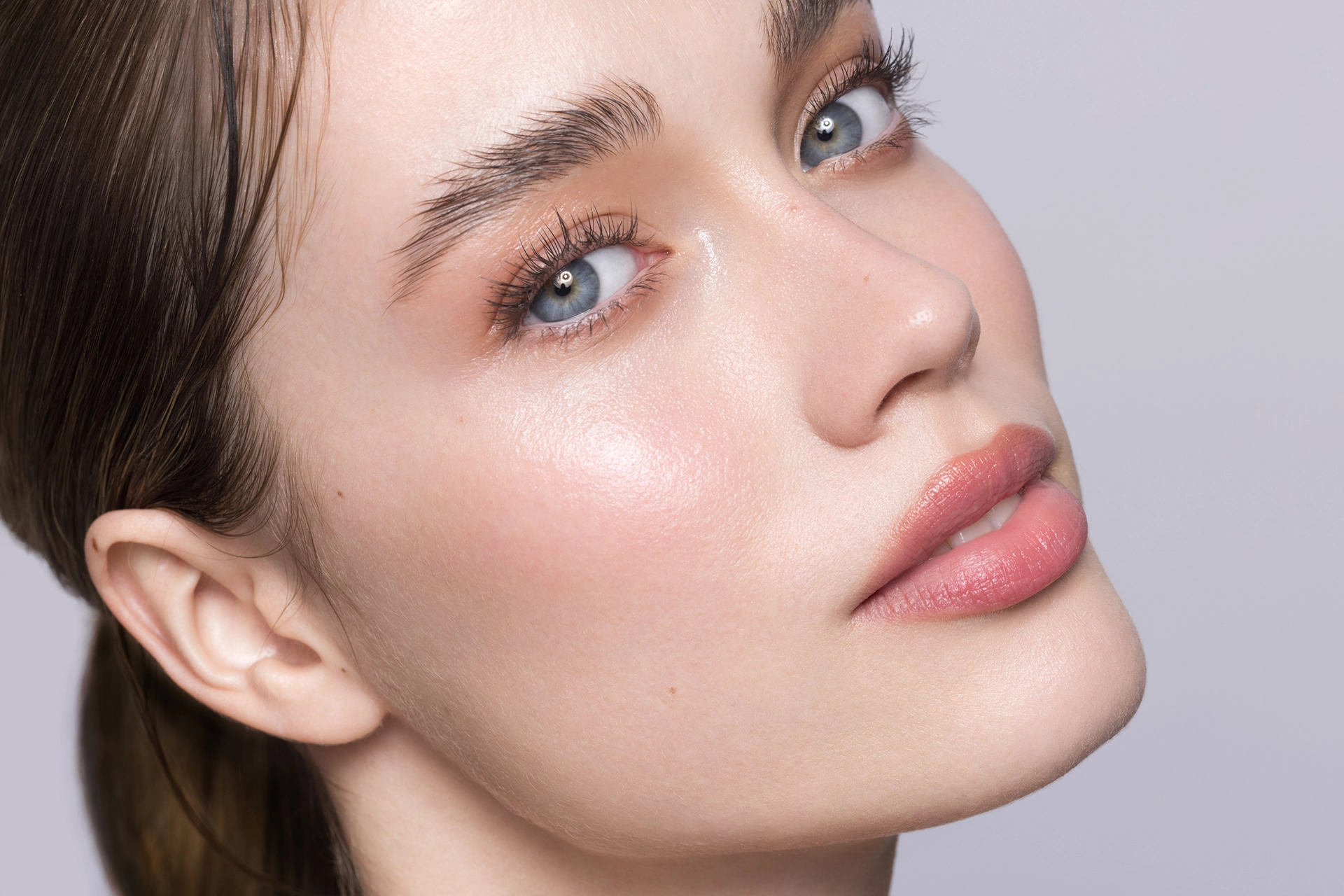
If you look into the elite tiers of aesthetics, you’ll find two dominant protocols competing for the crown of ultimate skin rejuvenation.
On one side, you have the Rapamycin + Retinol Protocol—a prescription-tier strategy designed to stop skin aging at its cellular root. On the other side sits The Peptide Glow Stack—a powerhouse triad of cellular signaling peptides (GHK-Cu, BPC-157, and TB-500) prized for delivering rapid, high-definition radiance and tissue repair.
They are both incredibly effective, but they are playing entirely different biological games. To choose the right strategy for your routine, you have to understand the fundamental tension in longevity science: Is it better to clear out cellular dysfunction, or aggressively up-regulate tissue repair?
Here is how these two heavy-hitting protocols stack up.
1. The Core Philosophy: Two Different Biological Games
The debate isn’t just about ingredients; it’s about your foundational anti-aging philosophy.
[Rapamycin + Retinol] → Autophagy & Turnover → “Clear out the old cellular pollution.”
[Peptide Glow Stack] → Angiogenesis & Healing → “Flood the tissue with repair signals.”
The Rapamycin + Retinol Protocol: The “Clear and Rebuild” Strategy
This protocol operates on the premise that aging skin is a disease of cellular clutter and slowed renewal.
• The Mechanism: Topical Rapamycin shuts down the overactivated mTOR pathway, triggering deep autophagy to selectively clear out hyper-inflammatory “zombie” cells (senescent cells). Meanwhile, Retinol forces rapid cell division at the surface.
• The Result: By sweeping away the cellular pollution first, your fresh skin cells are born into a pristine, youthfully functioning environment.
The Peptide Glow Stack: The “Hyper-Regeneration” Strategy
The Peptide Stack approaches skin aging through the lens of injury recovery and youthful signaling. It typically combines three distinct peptides:
• GHK-Cu (Copper Peptide): A natural tripeptide that remodels the skin matrix, down-regulates inflammatory signaling, and forcefully stimulates collagen and elastin synthesis.
• BPC-157 (Body Protection Compound): A master angiogenic peptide that accelerates the formation of new blood vessels, multiplying the delivery of oxygen and nutrients to skin tissue.
• TB-500 (Thymosin Beta-4): A protein derivative that promotes cellular migration and rapid tissue repair, drastically reducing recovery times.
2. Direct Comparison: Mechanisms and Efficacy
| Attribute | Rapamycin + Retinol Protocol | The Peptide Glow Stack (GHK-Cu / BPC / TB) |
| Primary Action | Cellular waste removal, senescence clearance, and genetic baseline resetting. | Hyper-accelerated healing, tissue remodeling, and rapid vascularization. |
| Target Architecture | Deep anchoring structures (Collagen VII) and epidermal cell turnover. | Dermal matrix plumpness (Collagen I & III), hydration, and surface radiance. |
| Delivery Method | Topical compounded creams (Local target). | Typically subcutaneous injections for systemic effect, or advanced topical serums. |
| Timeline to Value | 4 to 8 months (Builds a permanent, structurally younger tissue baseline). | 3 to 6 weeks (Delivers a rapid, highly visible aesthetic “glow”). |
| Best For | Reversing chronological thinning, crepey skin, sagging jawlines, and long-term photoaging. | Post-procedure recovery (lasers/microneedling), neutralizing acute inflammation, and maximizing short-term radiance. |
3. Why Rapamycin + Retinol Wins on True Biological Longevity
If your primary objective is to fundamentally alter your skin’s chronological age markers, the Rapamycin + Retinol combo possesses a distinct cellular advantage:
• The “Zombie Cell” Bottleneck: The Peptide Glow Stack is phenomenal at sending high-volume repair instructions to your skin cells. However, if your tissue is saturated with senescent cells spitting out toxic, inflammatory molecules, your cells are too exhausted to execute those orders effectively. Rapamycin physically purges the workspace first.
• Deep Dermal Anchoring: Clinical data from trials on topical rapamycin highlights a massive uptick in Collagen VII. This specific collagen is responsible for anchoring the outer layer of skin to the deeper dermal tissue—preventing the structural sliding that causes sagging. Peptides excel at expanding surface volume, but struggle to replicate this deep anchoring effect.
4. Where the Peptide Glow Stack Takes the Crown
Despite the deep cellular mechanics of Rapamycin, the Peptide Stack wins decisively in scenarios requiring regeneration from trauma:
• The Ultimate Post-Procedure Weapon: If your anti-aging routine involves micro-injuries—such as deep microneedling, RF fractionated treatments, or intense laser resurfacing—the Peptide Glow Stack is unmatched. BPC-157 and TB-500 dramatically cut your downtime in half while exponentially multiplying the collagen synthesis triggered by the procedure.
• The Immediate Aesthetic Return: Because GHK-Cu and BPC-157 drastically improve local blood flow and cellular hydration, the visual “glow” and skin plumpness occur rapidly. It provides an immediate aesthetic return on investment that a slow-acting cellular cleanser like Rapamycin cannot match in the short term.
5. The Ultimate Synergy: Running Both Protocols
You don’t necessarily have to choose between clearing cellular waste and accelerating tissue repair. For those seeking to fully optimize their skin, combining these protocols creates a comprehensive, 360-degree approach to skin health.
1. Establish the Foundational Cleansing Layer:
The Baseline.
Utilize the Rapamycin + Retinol protocol as your year-round, nightly baseline. This keeps cellular senescence low, clears out metabolic waste, and maintains a steady, youthful cell turnover rate.
2. Deploy the Peptide Stack Strategically:
The Blast.
Once or twice a year, run a 6-to-8 week cycle of the Peptide Glow Stack. This acts as a shock-wave of regenerative vitality, flooding your newly cleansed skin tissue with intense repair signals.
3. Time with Clinical Procedures:
The Force Multiplier.
Coordinate your Peptide Stack cycles with an annual skin procedure (like a resurfacing laser or microneedling session). Use the peptide surge to cleanly rebuild a flawlessly structured dermal matrix.
Summary Takeaway
Choose Rapamycin + Retinol if you want to play the long game—reversing deep chronological tissue degradation, thinning skin, and cellular toxicity. Choose The Peptide Glow Stack if you are recovering from skin procedures, need to suppress acute irritation, or want to inject an immediate, radiant volume into your skin. For the ultimate protocol, use Rapamycin to clear the canvas, and peptides to paint the masterpiece.
Share The Beauty… Earn Rewards!
At PLEIJ Salon+Spa, we offer a simple and easy referral program to our existing clients (and even non-clients). When you refer a friend who is new to PLEIJ, we’ll give them a 20% OFF GIFT to use towards any service. To say thanks, we’ll give you a 10% OFF GIFT to use toward services or products!
Be sure to learn everything about this awesome program and even send out referrals.