10 Effective DIY Lymphatic Drainage Methods
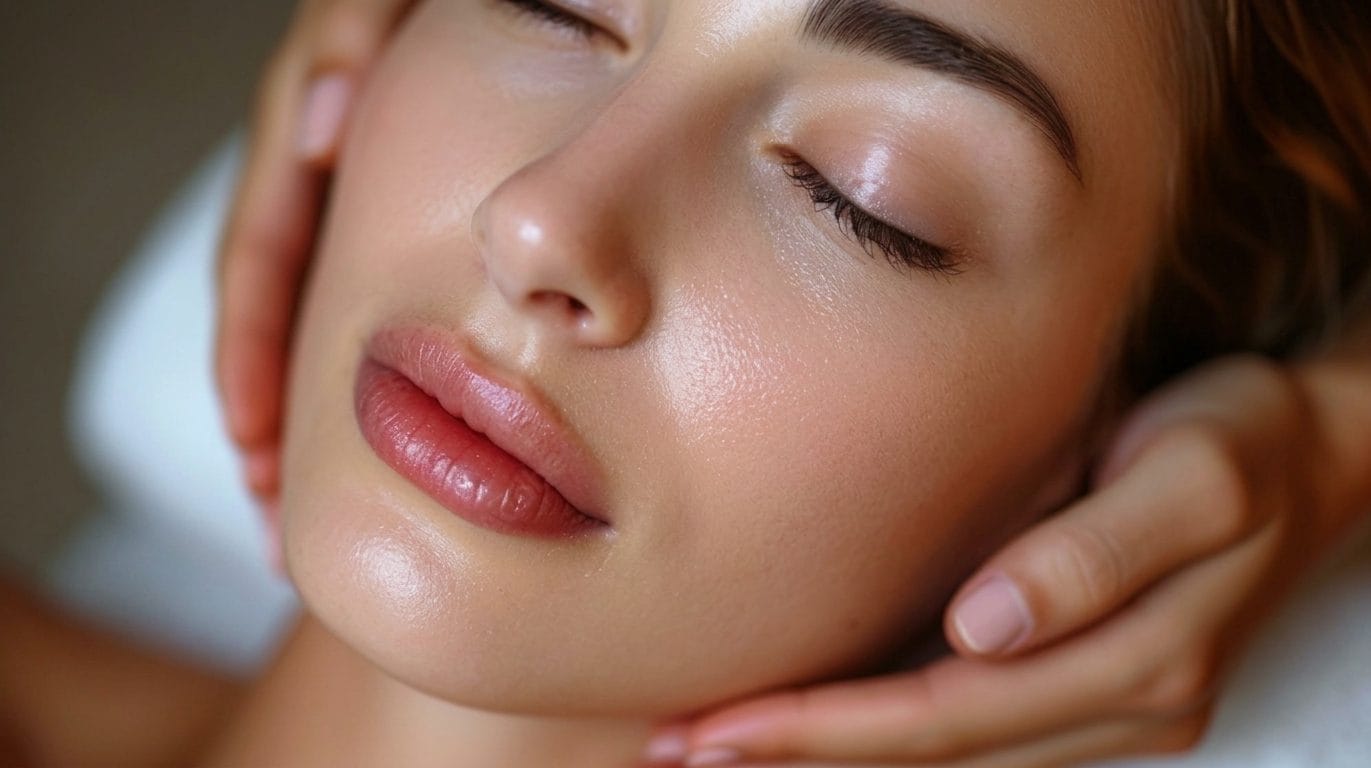
Feeling sluggish, puffy, or that you could benefit from a full-system reboot? You’d likely benefit from a lymphatic drainage massage. Thirty minutes of rhythmic sweeping has an incredibly reliable effect. You leave feeling lighter, more energized and looking considerably more toned than you actually are.
It’s easy to see why the treatment has become such a popular wellness offering. Think of the lymphatic system as the body’s ultimate sewage and filtration network: it is responsible for clearing cellular waste, disposing of toxins, moving excess fluid away from tissues, absorbing dietary fats, and transporting infection-fighting immune cells. Unlike the circulatory system, however, it doesn’t have a heart to act as a pump. Instead, lymph relies entirely on muscle contractions, deep breathing, and physical movement to keep things flowing smoothly.
Healthy lymphatic circulation keeps fluid levels balanced, bolsters your immune defenses, and ensures metabolic waste and excess fluid are efficiently cleared from your tissues. That’s where manual lymphatic drainage (MLD) comes in. Unlike the firm, vigorous kneading of a traditional deep-tissue massage, MLD utilizes a deliberately light, rhythmic touch with precise, directional strokes designed to gently guide fluid toward active lymph nodes.
Because the lymphatic system lacks a central heart pump, it relies almost entirely on muscle contractions, gravity, pressure changes, and manual pressure to keep fluid moving. When these mechanisms aren’t active, lymph can become sluggish or stagnant.
Here are the most effective ways to stimulate lymphatic circulation, ranging from daily habits to targeted therapies:
1. Physical Movement & Muscle Contractions
Muscles act as the physical pump for lymphatic vessels. As muscles contract and relax, they squeeze nearby lymph vessels, pushing fluid forward through one-way valves.
• Rebounding (Mini-Trampoline): Widely considered one of the most efficient lymphatic exercises. The vertical acceleration and deceleration alternate gravitational pull, opening and closing lymph valves simultaneously throughout the body.
• Brisk Walking, Running, or Swimming: Low-impact, repetitive rhythmic movements—especially those involving the whole body—constantly pump lymph from the feet and legs up toward the torso.
• Inversion & “Legs-Up-the-Wall”: Resting with your legs elevated above your heart uses gravity to drain pooled fluid out of the lower extremities back toward the core.
2. Deep Diaphragmatic Breathing
The thoracic duct is the main trunk of the lymphatic system, located in the chest and abdomen.
• Deep, slow belly breathing changes pressure inside the chest and abdominal cavity.
• When your diaphragm drops during a deep inhale, it creates a vacuum effect that pulls lymph upward through the torso, serving as one of the body’s primary “internal pumps.”
3. Manual Techniques & Touch
Direct surface stimulation encourages fluid trapped just beneath the skin to move toward major lymph node hubs (like the groin, armpits, and neck).
• Dry Brushing: Using a natural-bristle brush on dry skin in light, sweeping strokes directed toward the heart helps clear surface stagnation and exfoliate skin.
• Manual Lymphatic Drainage (MLD): Gentle, precise, skin-stretching massage techniques designed to move excess fluid into functioning lymphatic channels. Schedule a Lymphatic Drainage Facial or a Lymphatic Drainage Massage
• Gua Sha & Body Rolling: Light scraping or gentle foam rolling reduces soft tissue restriction, allowing lymph to flow freely without physical blockages. Shop Osmosis Rose Quartz Facial Roller & Gua Sha Set.
4. Hydrotherapy & Temperature Contrast
Lymphatic vessels react quickly to temperature changes:
• Contrast Showers: Alternating between hot water (which dilates blood and lymph vessels) and cold water (which constricts them) creates a natural pumping action called vascular flushing.
• Sauna Therapy: Sweating aids heat-induced vasodilation and encourages fluid turnover, provided it is followed by proper rehydration.
5. Hydration & Compression
• Proper Hydration: Lymph fluid is composed of about 95% water. When you are dehydrated, lymph becomes thick, sluggish, and less efficient at flushing metabolic waste. Drinking plenty of water keeps it fluid and flowing.
• Compression Garments & Pneumatic Boots: Wearing targeted compression wear or using dynamic air-compression boots (like NormaTec) applies external pressure, pushing fluid out of the limbs and preventing fluid retention.
While Lymphatic Drainage Massage is still the gold standard, it isn’t the only way to encourage lymphatic flow and we recommend incorporating as many of the forementioned strategies into your routine as your schedule permits.
Share The Beauty… Earn Rewards!
At PLEIJ Salon+Spa, we offer a simple and easy referral program to our existing clients (and even non-clients). When you refer a friend who is new to PLEIJ, we’ll give them a 20% OFF GIFT to use towards any service. To say thanks, we’ll give you a 10% OFF GIFT to use toward services or products!
Be sure to learn everything about this awesome program and even send out referrals.